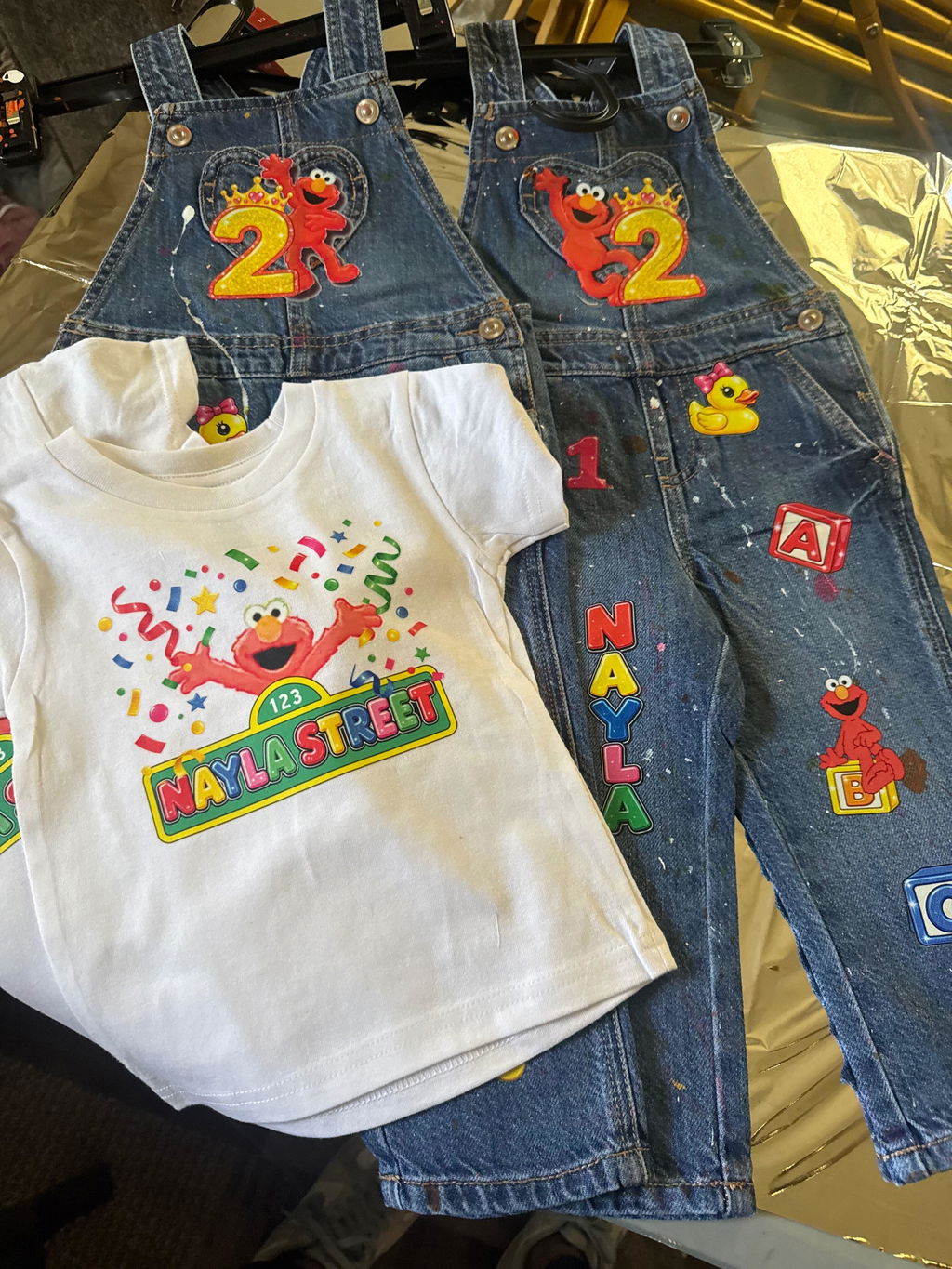
How DTF Printing on Fabric Is Changing Custom Apparel Design?
The world of custom apparel is experiencing a revolution, and at the heart of this transformation is DTF printing on fabric. This innovative technology is making it easier than ever for designers, businesses, and individuals to create stunning, high-quality custom clothing.
Whether you are looking for t-shirt printing options or want to understand direct to film transfers, DTF printing offers unmatched versatility and quality.
In this guide, we will explore how DTF printing is reshaping the apparel industry and why it is becoming the go-to choice for custom apparel printing methods.
What Is DTF Printing on Fabric?
DTF printing stands for Direct-to-Film printing, a cutting-edge technique that combines the best aspects of screen printing and digital printing. Unlike traditional methods, DTF printing on clothes involves printing designs onto a special PET film using water-based inks, applying an adhesive powder, and then transferring the design to fabric using a heat press.
The t-shirt printing process with DTF is remarkably efficient:
-
Design Creation: Create your artwork digitally
-
Printing on Film: High-resolution printers apply the design to DTF film
-
Powder Application: Adhesive powder is applied to the wet ink
-
Curing: The film is cured to bond the powder with the ink
-
Heat Transfer: The design is pressed onto fabric using a heat press DTF application
This process results in full-color fabric printing that captures intricate details, vibrant colors, and photorealistic images with ease.
Why DTF Printing Is Gaining Popularity?
The rise of direct-to-film transfers can be attributed to several key advantages that make it superior to traditional printing methods.
Here's why DTF printing technology is becoming the preferred choice:
1. Versatility Across Fabrics
One of the biggest breakthroughs in direct-to-fabric printing is its compatibility with virtually any material. Whether you're working with cotton, polyester, nylon, leather, or even delicate fabrics, DTF printing on fabric delivers consistent results. This fabric's compatibility with DTF eliminates the limitations of other printing methods that struggle with synthetic materials.
2. Exceptional Print Quality
When people ask, "Is DTF printing good quality?" the answer is a resounding yes. DTF prints offer:
-
Vibrant, long-lasting colors
-
High-resolution details
-
Smooth, professional finish
-
No cracking or fading over time
The durable apparel prints created through DTF withstand hundreds of washes while maintaining their original appearance.
3. Cost-Effective for Small Runs
Traditional screen printing requires expensive setup costs for each color transfer and design. DTF printing, however, eliminates these costs, making it ideal for a machine for printing clothes in small quantities. Whether you need 10 shirts or 1000, printing DTF remains economical.
4. Quick Turnaround Time
The DTF printing process is significantly faster than traditional methods. Printing on DTF film takes minutes, and the heat transfer process adds only a few more. This digital garment printing innovation means businesses can fulfill orders quickly and meet tight deadlines.
DTF vs Traditional Printing
To understand why DTF printing on shirts is superior, let's compare it with common alternatives:
|
Printing Method |
Fabric Compatibility |
Color Limitations |
Setup Costs |
Durability |
|
Screen Printing |
Limited |
Multiple screens needed |
High |
Excellent |
|
DTG Printing |
Cotton only |
Good |
Low |
Good |
|
Vinyl/HTV |
Limited |
Single color per layer |
Medium |
Fair |
|
DTF Printing |
All fabrics |
Unlimited colors |
Low |
Excellent |
As you can see, direct-to-film printing benefits are clear: unmatched versatility, unlimited colors, and superior durability make DTF clothing the smart choice.
How DTF Transfers Work?

Understanding how DTF transfers work helps explain their superior performance:
-
High-Resolution Printing: Designs are printed onto DTF film using CMYK + White inks
-
Adhesive Powder Application: Special powder is applied to the wet ink, creating a strong bond
-
Curing Process: The film passes through a curing oven (generally 300°F for 2-3 minutes)
-
Heat Transfer: The cured film is placed design-side down on the fabric
-
Heat Press Application: 320°F for 10-15 seconds at 60-80 PSI
-
Peeling: The film backing is removed while hot, leaving only the design
This process creates durable apparel prints that become part of the fabric rather than sitting on top of it.
What Material Is Best for DTF Transfers?
While DTF materials work on virtually any fabric, certain materials yield optimal results:
|
Fabric Type |
DTF Performance |
Best Applications |
|
Cotton |
Excellent |
T-shirts, hoodies |
|
Polyester |
Excellent |
Athletic wear, uniforms |
|
Cotton/Poly Blends |
Excellent |
Casual apparel |
|
Nylon |
Very Good |
Jackets, bags |
|
Leather/Suede |
Excellent |
Custom shoes, accessories |
The key to success lies in proper heat press DTF application and using high-quality DTF materials.
Also read: DTF Gang Sheets vs. Single Transfers: Which Should You Choose for Your Business?
The DTF Printing Revolution in Custom Apparel
DTF printing is not just a new technique; it is transforming how the apparel industry operates:
1. Empowering Small Businesses
Direct-to-fabric printing services are now accessible to small businesses and startups. No longer do you need expensive equipment or large minimum orders to create professional DTF clothing.
2. Enabling Creative Freedom
Designers now have unlimited creative possibilities with full-color fabric printing. Complex patterns, photorealistic images, and gradient designs that were once impossible are now standard.
3. Meeting Consumer Demand
Today's consumers want unique, personalized apparel. DTF transfers for clothing make it possible to offer true customization without sacrificing quality or profitability.
4. Sustainability Benefits
Modern DTF printing technology uses eco-friendly water-based inks and produces minimal waste compared to traditional screen printing.
Why Designers Prefer DTF Printing?

Professional designers are making the switch to DTF printing for several compelling reasons:
-
Consistent Quality: Every print matches the digital proof exactly
-
Fast Prototyping: Test new designs quickly without setup costs
-
Versatile Applications: From t-shirt printing process to hats, bags, and shoes
-
Scalable Production: Easily transition from samples to bulk orders
Conclusion
DTF printing on fabric has undeniably transformed custom apparel design, offering unmatched quality, versatility, and efficiency. From small businesses to major brands, direct-to-film transfers are becoming the gold standard for t-shirt printing options and beyond.
Ready to revolutionize your custom apparel business? Partner with DTFNC today and experience the DTF printing difference! Our state-of-the-art machine for printing clothes and our expert team guarantee:
-
Fast turnaround times
-
Uncompromising quality
-
Competitive pricing
-
Free design consultation
Don't settle for ordinary when extraordinary is possible with DTF printing on clothes.
FAQs
Q: Can DTF print on any fabric?
A: Yes! DTF printing works on virtually all fabrics, including cotton, polyester, blends, nylon, leather, and more. This fabric's compatibility with DTF makes it incredibly versatile.
Q: How long does DTF last on fabric?
A: DTF prints are extremely durable and can last 50+ washes when properly applied. The designs become part of the fabric rather than sitting on top, ensuring durable apparel prints.
Q: What are the disadvantages of DTF printing?
A: While DTF printing has a few disadvantages, the main considerations are:
-
Higher initial equipment costs
-
Need for proper curing equipment
-
Slightly thicker feel compared to DTG on 100% cotton. However, these are minimal compared to the benefits.
Q: Is DTF better on cotton or polyester?
A: DTF printing performs excellently on both! It actually excels on polyester, where other methods struggle. For cotton it provides superior color transfers and durability compared to traditional methods.
Also read more related blogs: 
Print on Demand Caps: A Complete Guide for Beginners